Practical guides from the people who deliver the work
Microsoft Fabric, AI, security, Azure and app modernization, explained for the people deciding what to do next quarter.
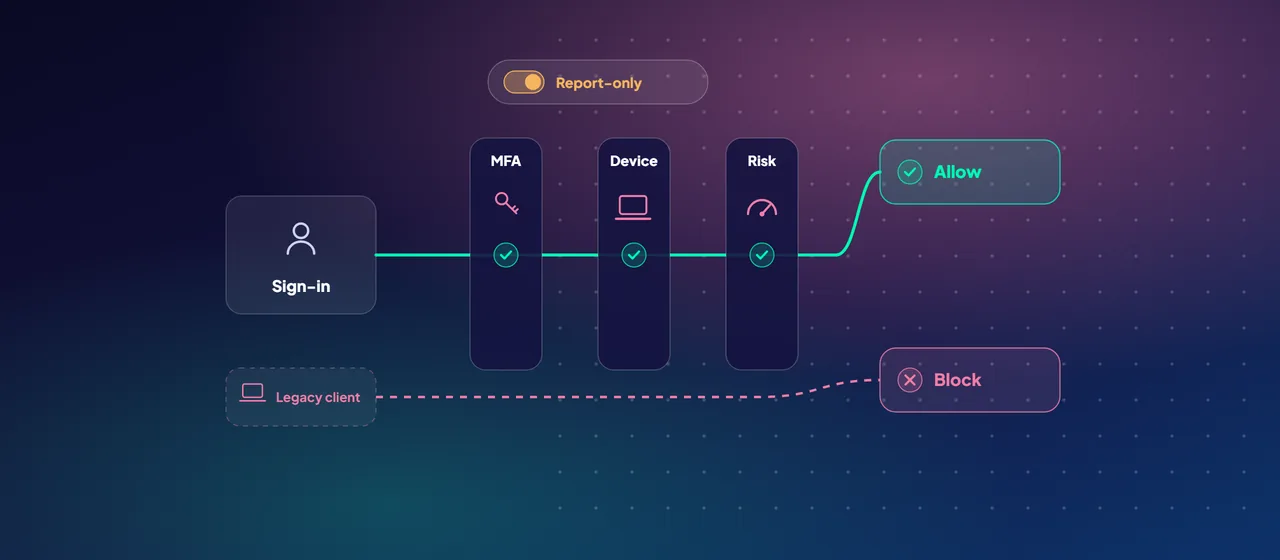
A Conditional Access baseline for Microsoft Entra ID
The Conditional Access policies every Microsoft Entra ID tenant should have, what each one needs in licensing, and how to roll them out without locking anyone out.
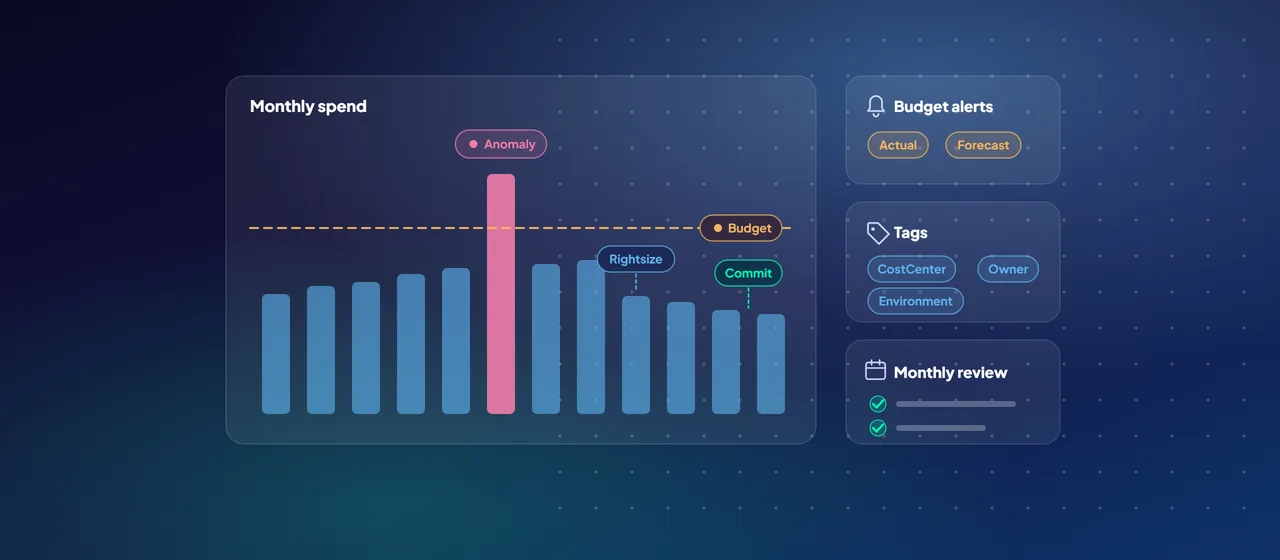
Controlling Azure spend: a practical FinOps routine
How to control Azure spend with budgets and alerts, tagging and cost allocation, Azure Advisor, reservations and savings plans, rightsizing, and a monthly review.
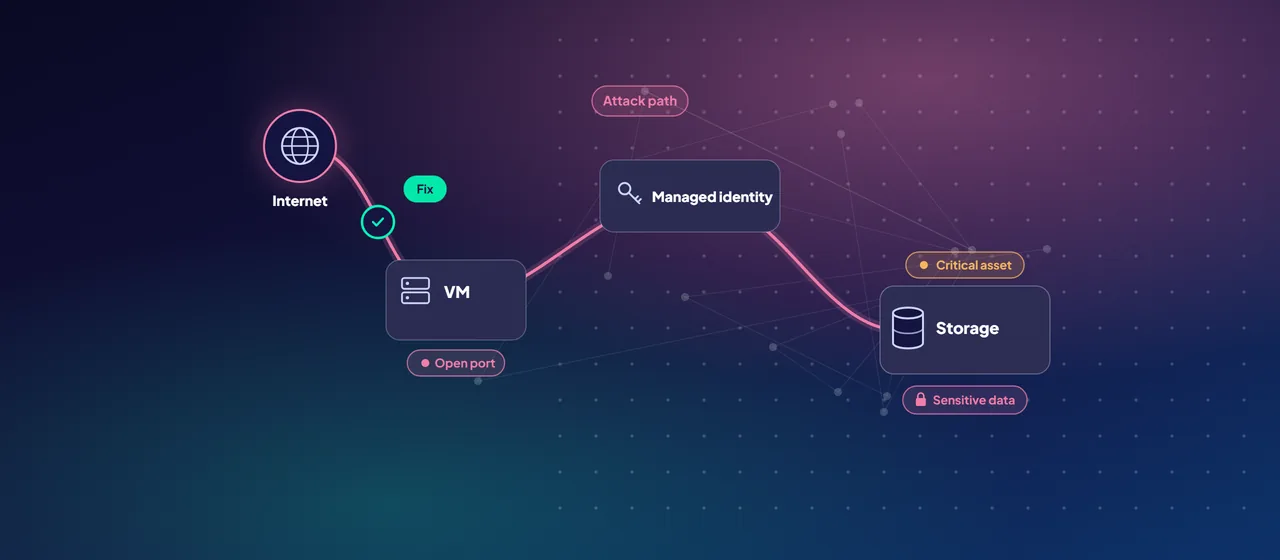
Building a cloud security posture baseline with Microsoft Defender for Cloud
What free Foundational CSPM gives you, when Defender CSPM is worth paying for, how secure score and compliance views work, and a rollout order across Azure, AWS and Google Cloud.
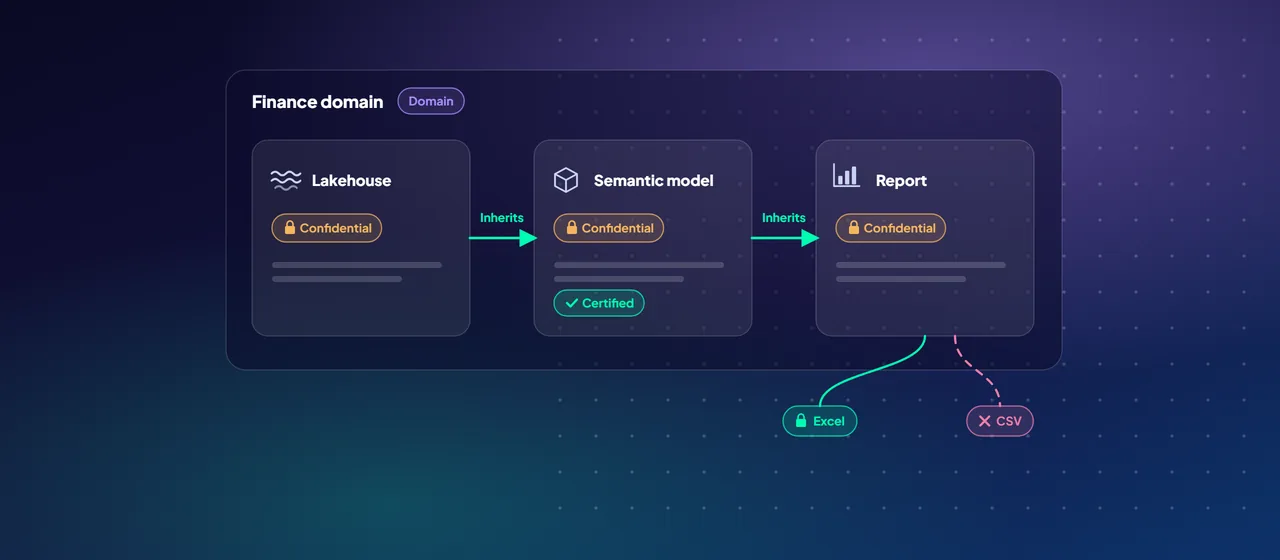
Governing Microsoft Fabric with Microsoft Purview: domains, labels, lineage and a rollout order
How Microsoft Purview and Fabric's built-in controls govern your data, covering domains, endorsement, sensitivity labels, DLP, the Unified Catalog and lineage, plus a rollout order.
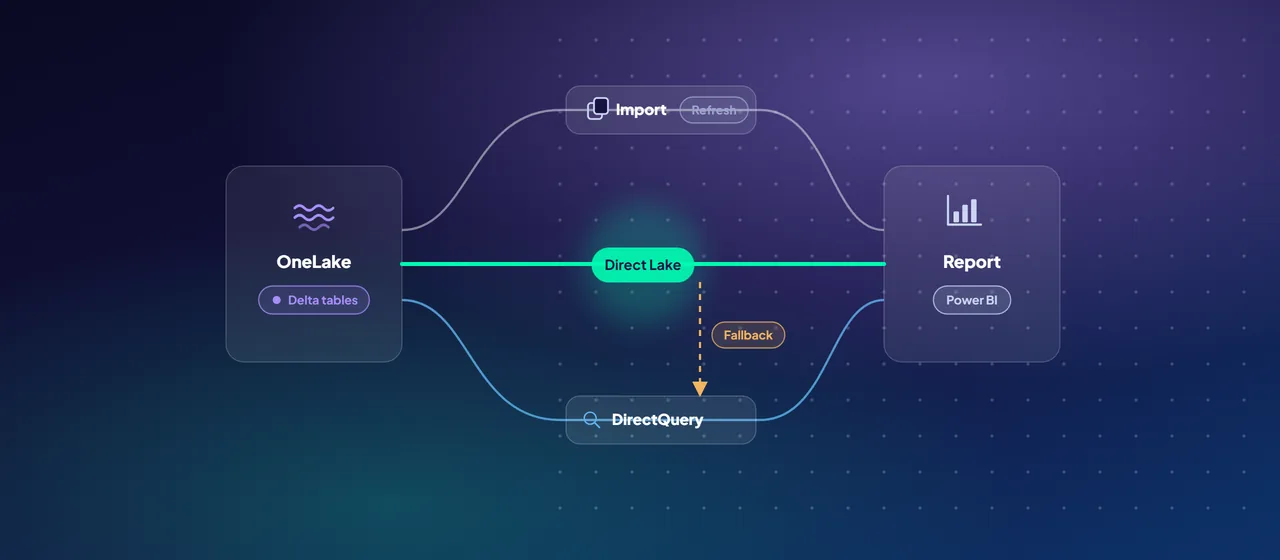
Direct Lake in Power BI explained: how it works, fallback and when to choose it
How Direct Lake in Microsoft Fabric compares with Import and DirectQuery, how framing and fallback work, which capacity guardrails apply, and when to choose each mode.
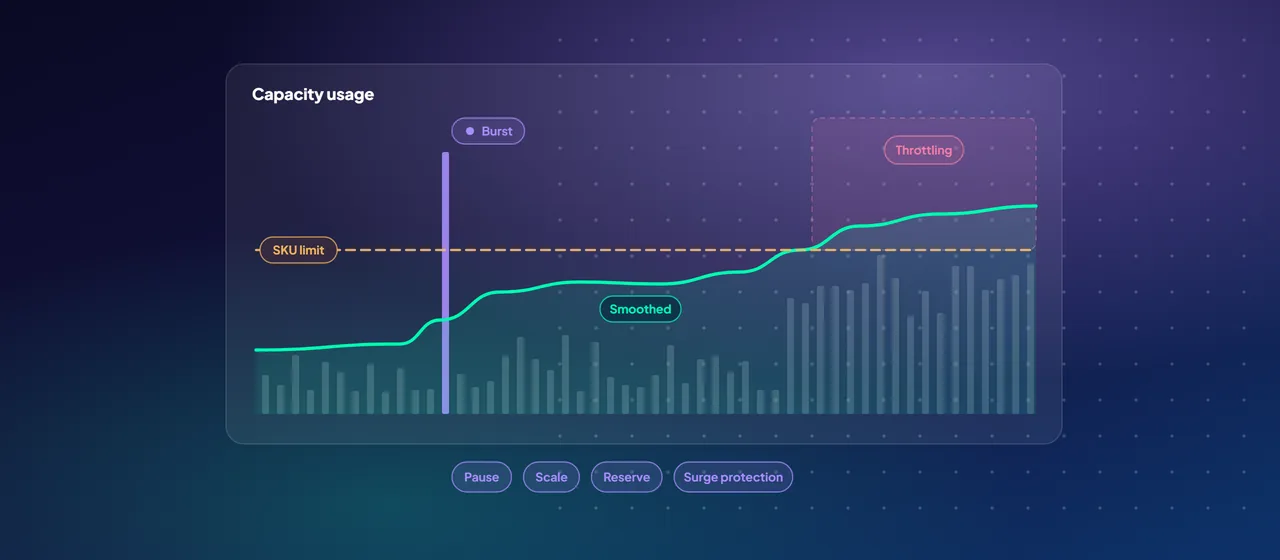
Sizing Microsoft Fabric capacity and keeping its cost under control
How Fabric capacity units, bursting, smoothing and throttling work, and which levers control cost: pause and resume, scaling, reservations, surge protection and the Capacity Metrics app.
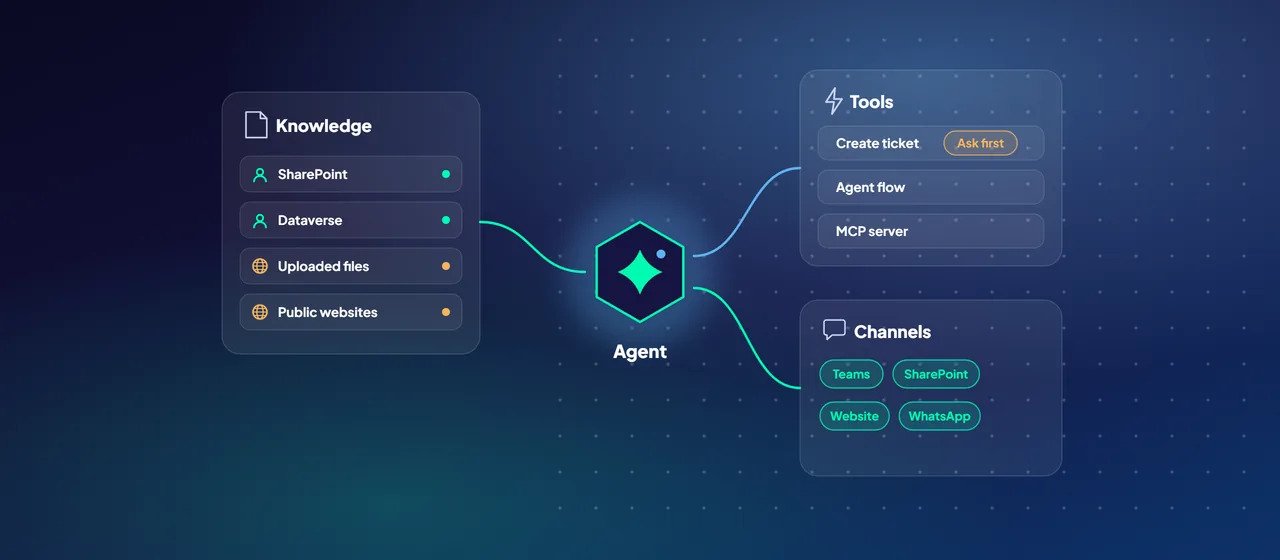
Building business agents with Copilot Studio: where to start
How Copilot Studio agents use knowledge, tools and topics, where they can be published, which governance to set first, and how to choose a first use case.
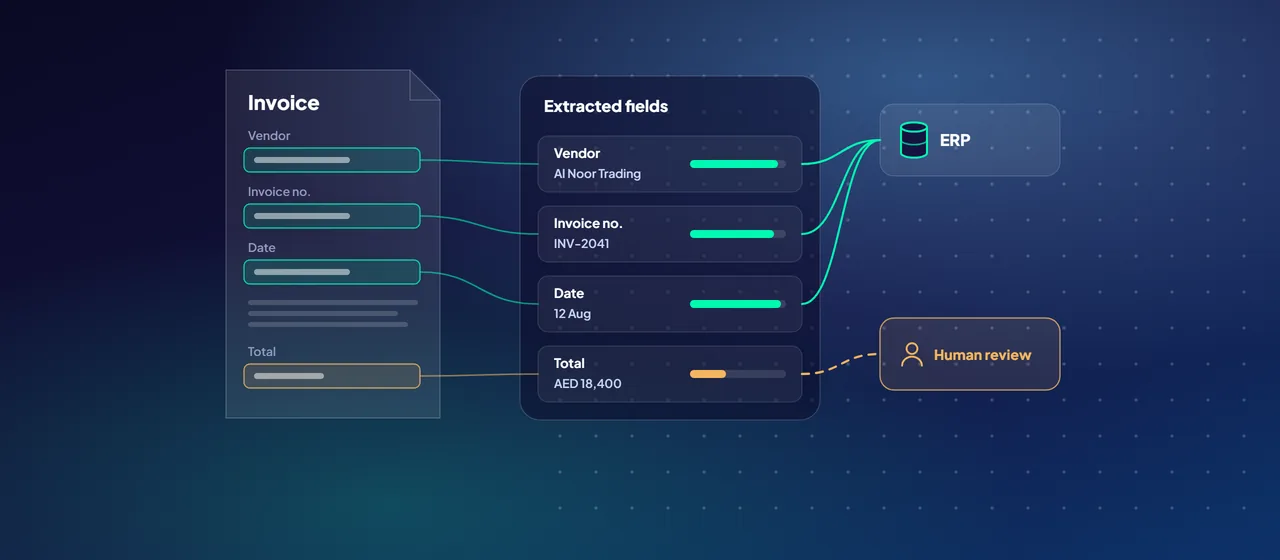
Automating paperwork with Azure Document Intelligence: models, confidence and human review
How to automate document-heavy processes with Azure Document Intelligence: prebuilt or custom models, confidence thresholds, human review, workflow integration and data residency.
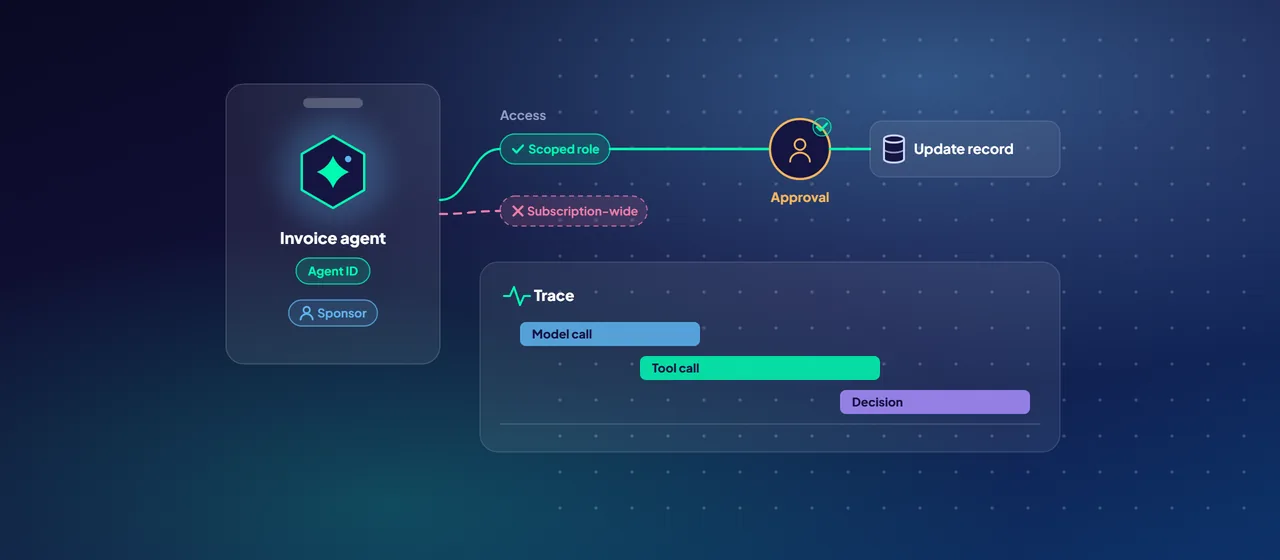
Governing AI agents in the enterprise: identity, permissions and approval
How to govern AI agents with Microsoft Entra Agent ID, least-privilege access, monitoring, content safety guardrails and a practical approval process.
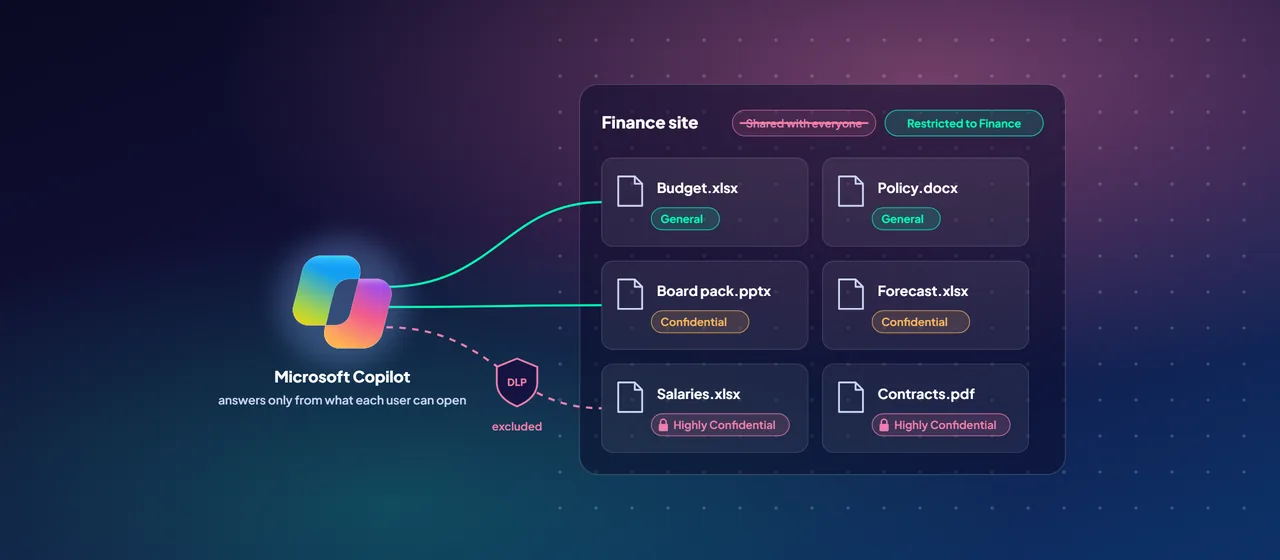
Preparing your data for Microsoft Copilot with Microsoft Purview
How to find and fix oversharing before a Microsoft Copilot rollout, using data risk assessments, SharePoint access controls, sensitivity labels and DLP.
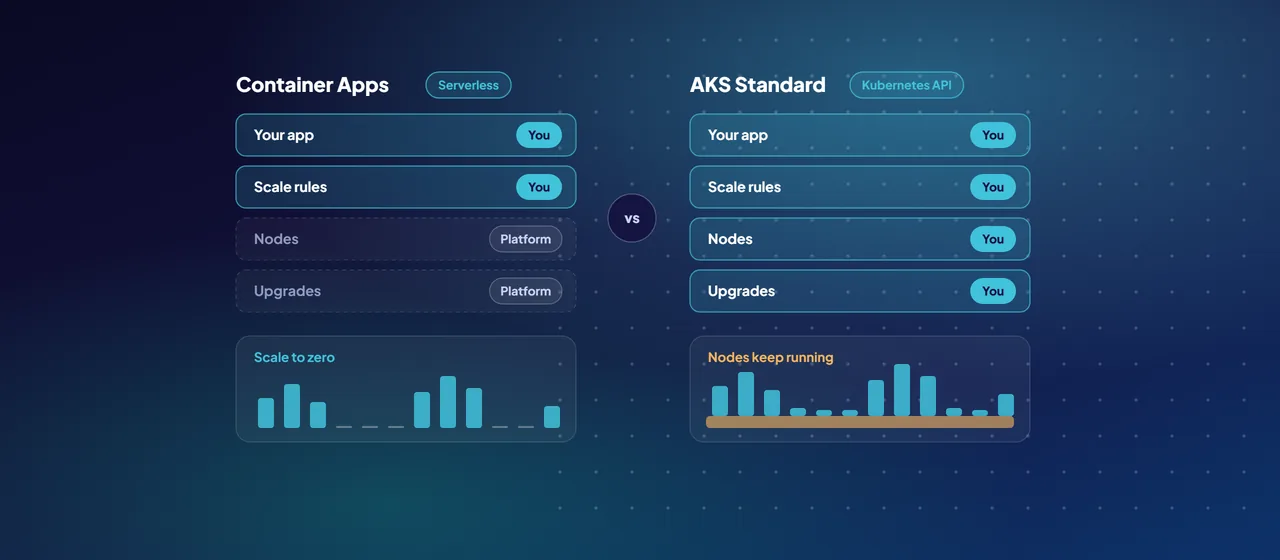
AKS or Azure Container Apps? Choosing where your containers run
How Azure Kubernetes Service and Azure Container Apps differ on operations, scaling, networking, Dapr, cost and skills, with a short checklist to pick one per workload.
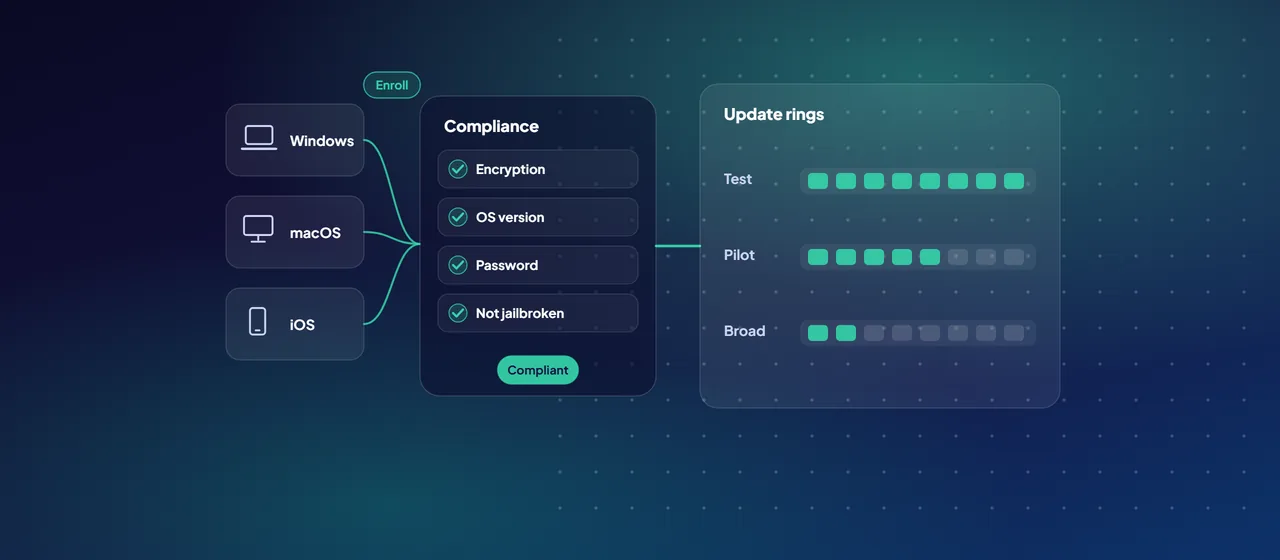
A practical Microsoft Intune baseline: from enrollment to phased rollout
The Intune building blocks to set up first, from Autopilot enrollment and compliance-based Conditional Access to security baselines, BYOD app protection, update rings and rollout.
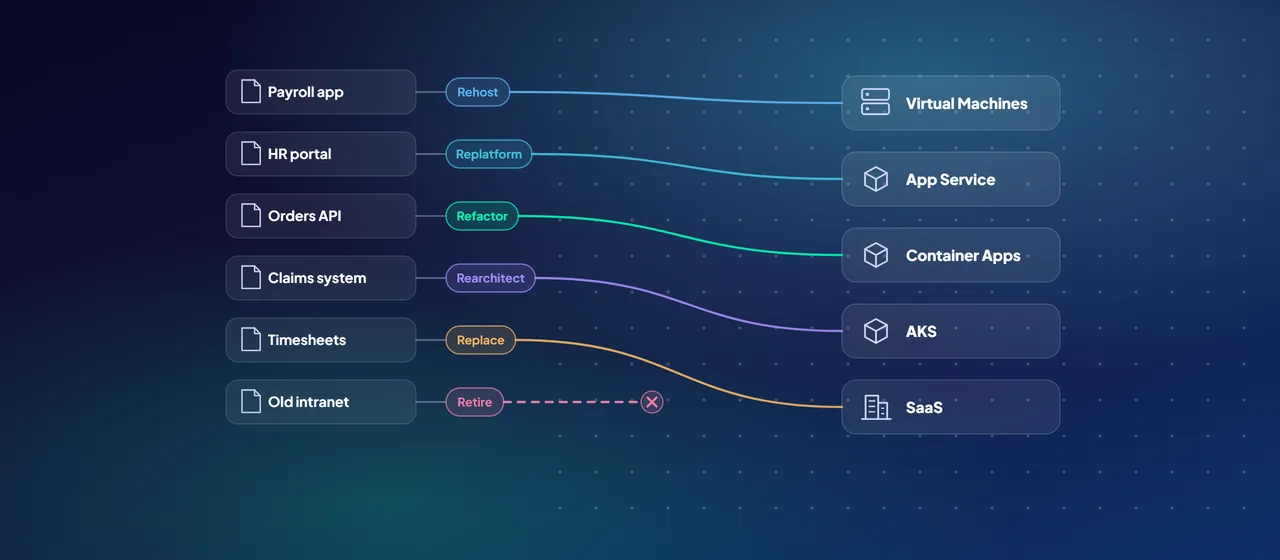
Rehost, replatform or refactor? Choosing an app modernization path per workload
How to pick a migration strategy for each application, use Azure Migrate to narrow the options, choose a hosting target, and where GitHub Copilot helps with .NET.
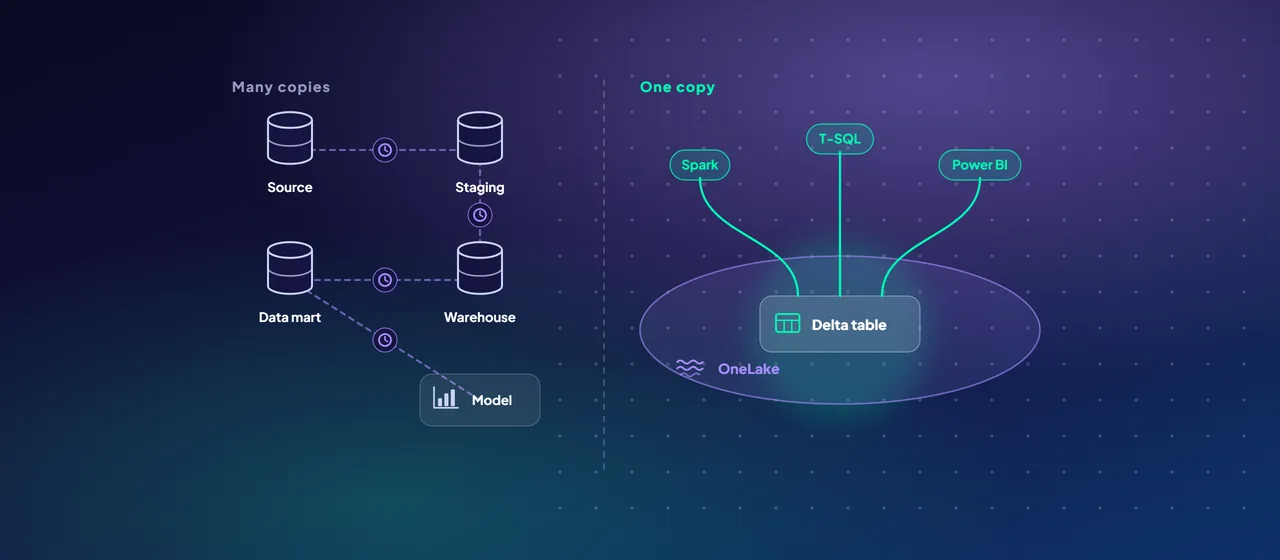
Microsoft Fabric vs the traditional data warehouse: what actually changes
How Microsoft Fabric's architecture differs from a classic data warehouse, from one copy in OneLake and shortcuts to Direct Lake and capacity, and what stays the same.
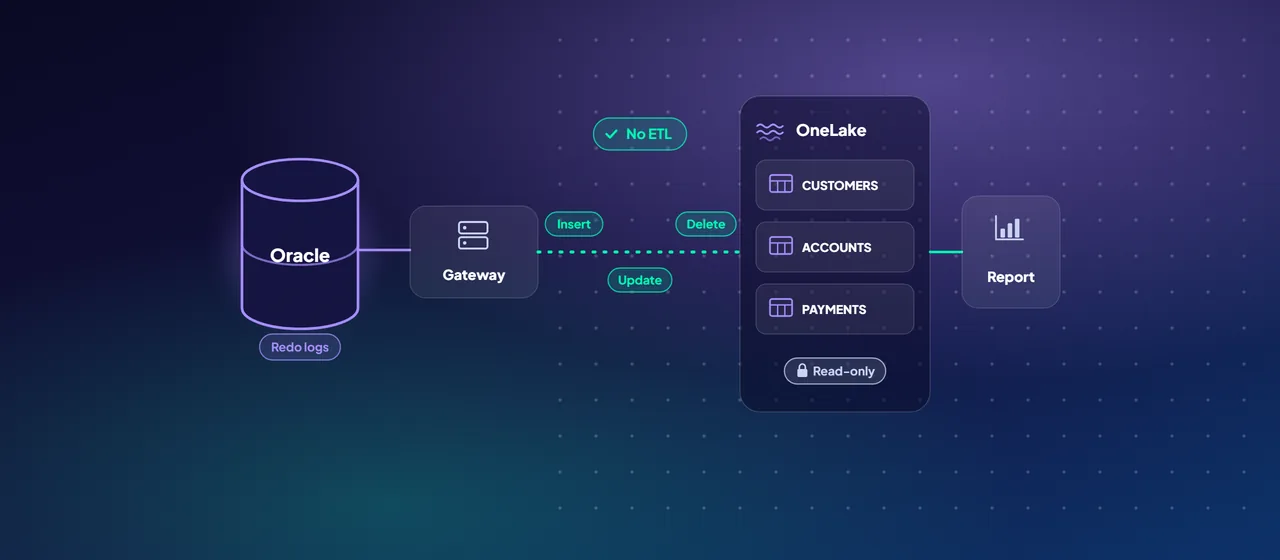
Mirroring Oracle into Microsoft Fabric without building ETL
How Microsoft Fabric mirrors Oracle databases using LogMiner and the on-premises data gateway, what lands in OneLake, what it costs, and where GoldenGate still fits.
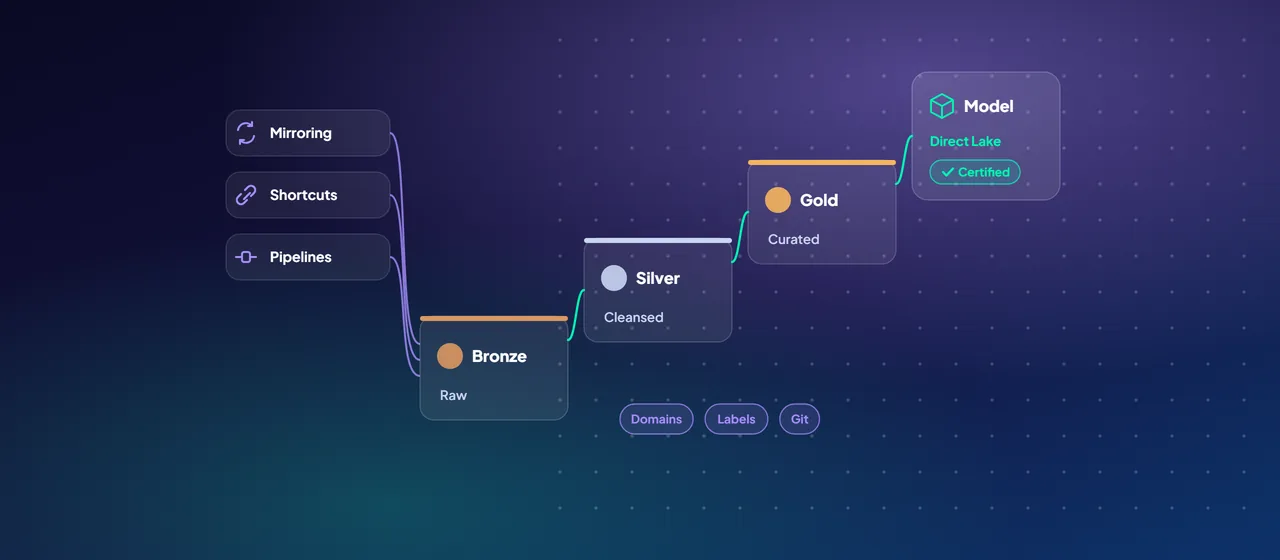
Building a Fabric data landing zone: medallion, governance and Direct Lake
A practical blueprint for a Microsoft Fabric data landing zone, covering workspaces, bronze, silver and gold layers, mirroring, Purview, Direct Lake and Git-based CI/CD.
![A question goes to a search index, which retrieves passages the user may read while a finance passage is trimmed as no access; the answer cites its sources as [1] and [2].](/images/v2/blog/grounded-ai-assistants-rag-1280.webp)
Grounded, not guessed: how enterprise AI assistants cite their sources
How retrieval-augmented generation on Azure grounds answers in your documents, respects user permissions, shows citations and checks for made-up claims.
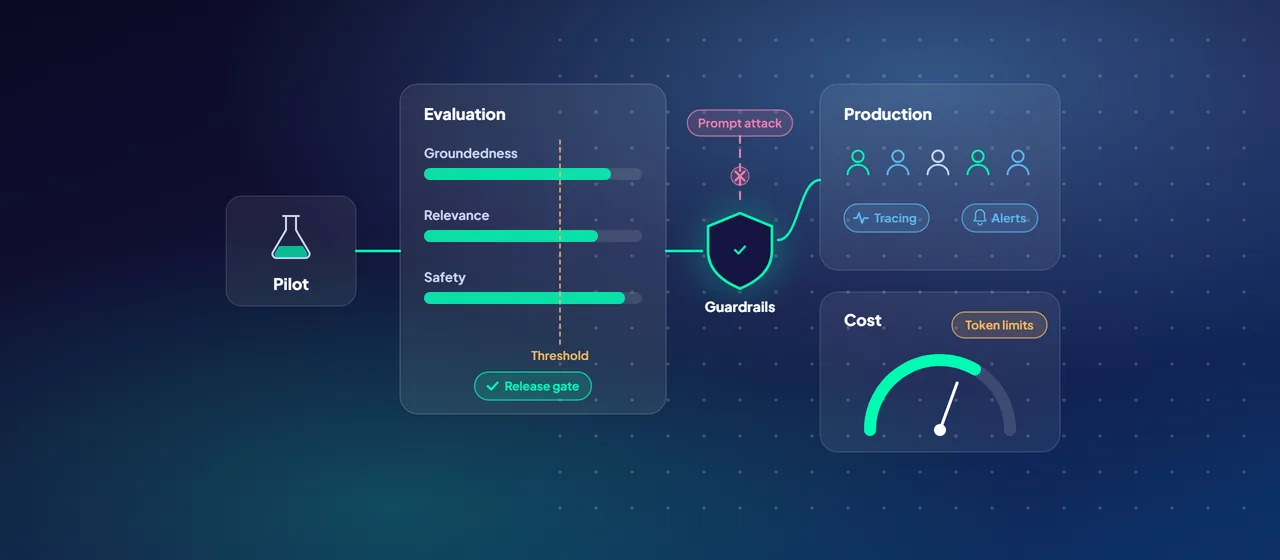
From AI pilot to production on Microsoft Foundry: evaluation, guardrails and cost
What it takes to move a generative AI pilot into production on Microsoft Foundry: evaluation gates, guardrails, monitoring and cost controls.
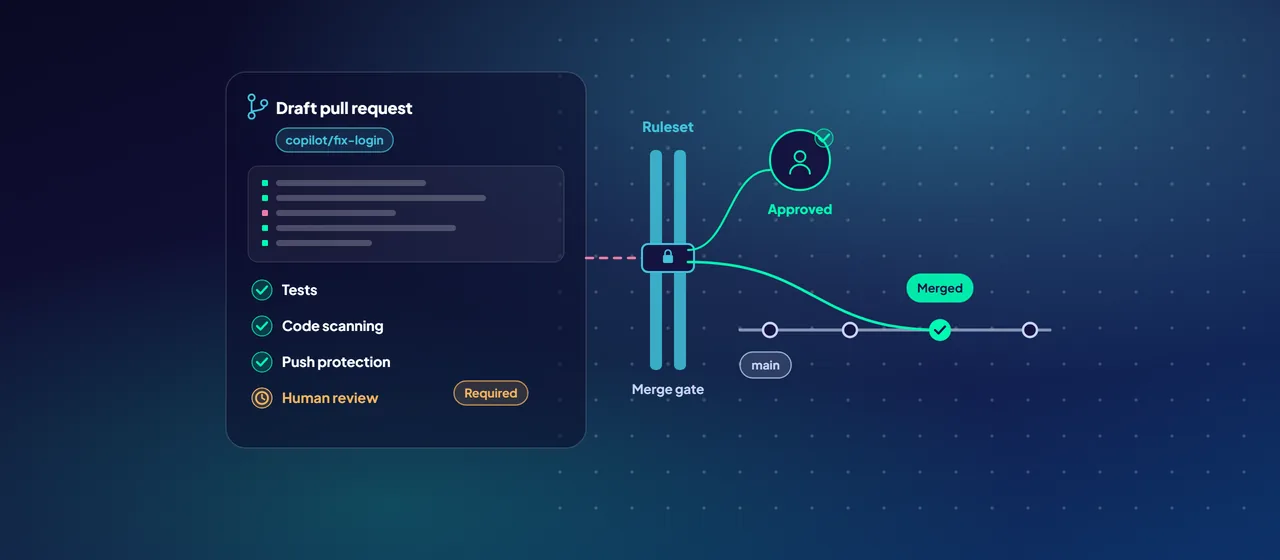
GitHub Copilot for the enterprise: agent mode, rulesets and governance
What GitHub Copilot's agents do with your code, and the policies, rulesets, GitHub Advanced Security and Entra ID controls that keep AI-written code safe.
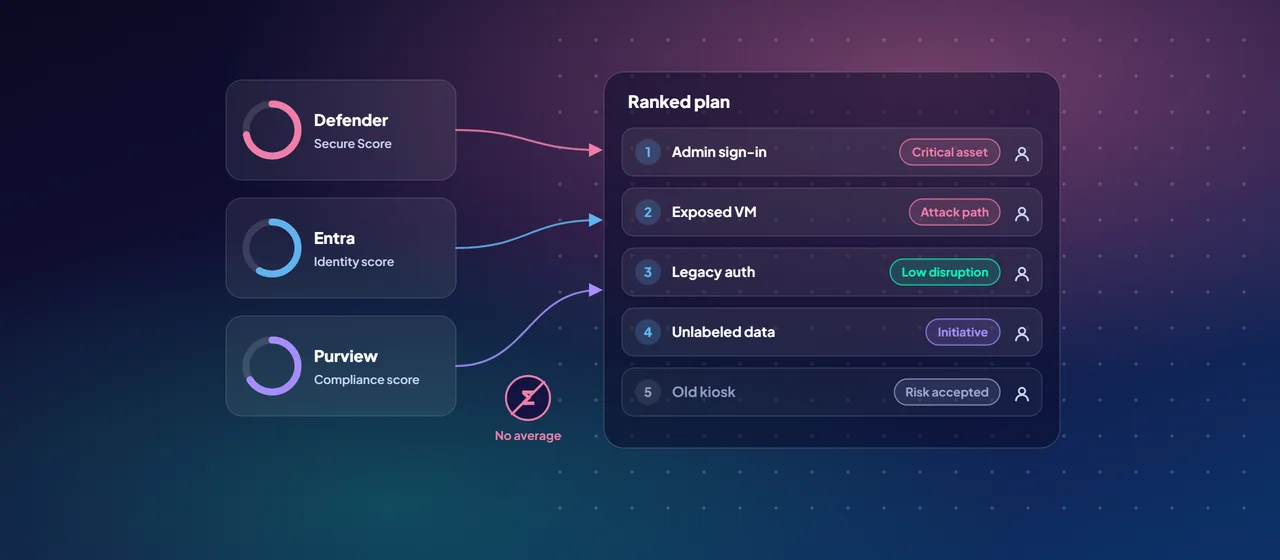
One Security Posture Across Defender, Entra and Purview
How Secure Score, Cloud Secure Score, compliance score and Exposure Management fit together, and how to turn their recommendations into a ranked plan your board can follow.
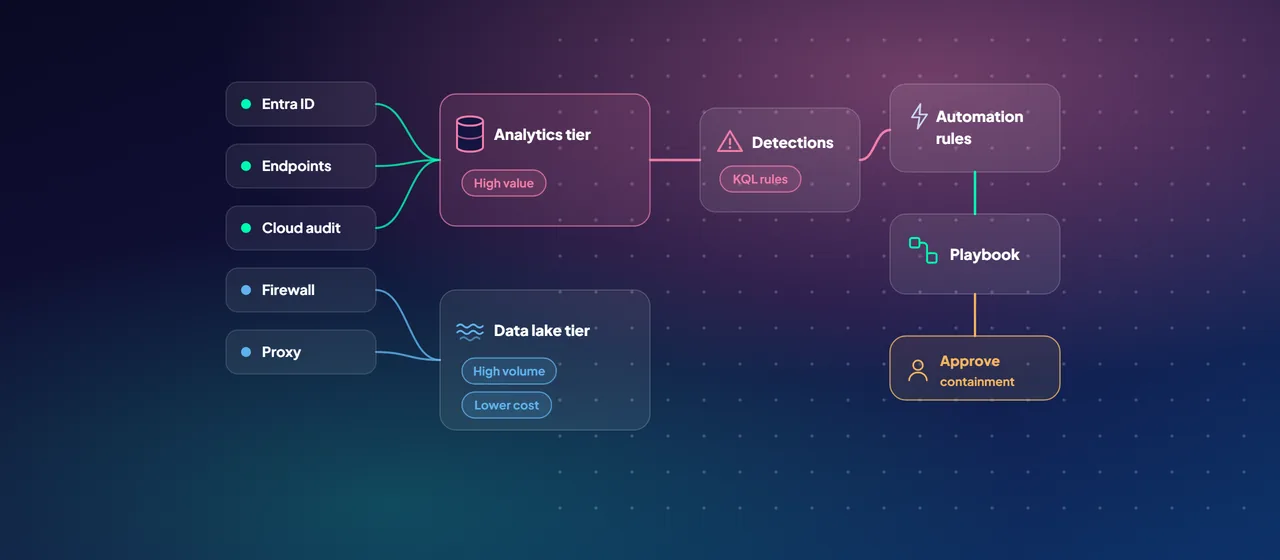
Microsoft Sentinel for Regional SOCs: Ingestion, Cost and Automation
How to run Microsoft Sentinel well in a regional SOC, covering data connectors and ASIM, detections, the Defender portal move, data tiers and commitment tiers, playbooks, and data residency.
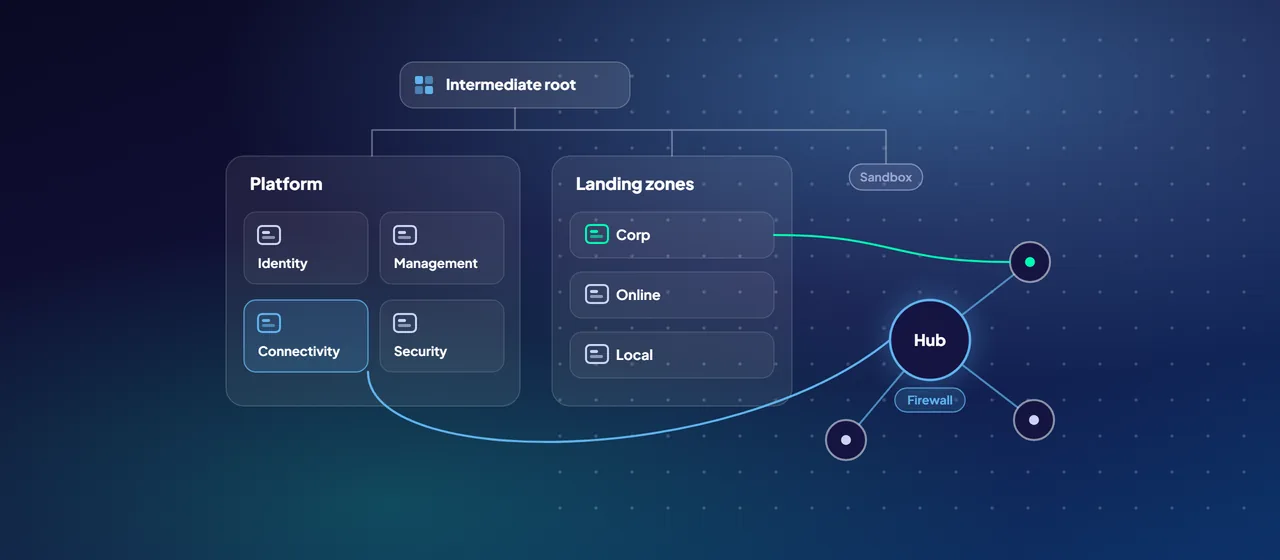
Azure Landing Zones explained: the decisions to make before the first workload
What an Azure landing zone is, the design areas behind it, and the identity, network, policy and deployment decisions to settle before your first workload moves.
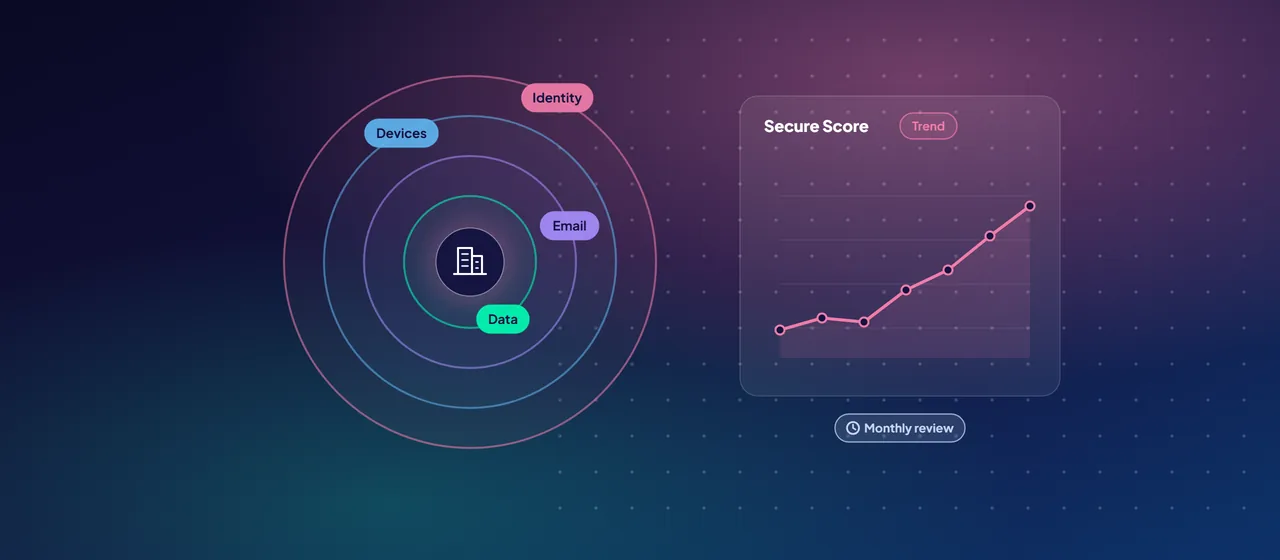
Is Your Microsoft 365 Environment Really Secure?
Owning Microsoft 365 is not the same as securing it. Learn where configuration gaps hide, which controls matter most, and how to measure and keep improving your posture.
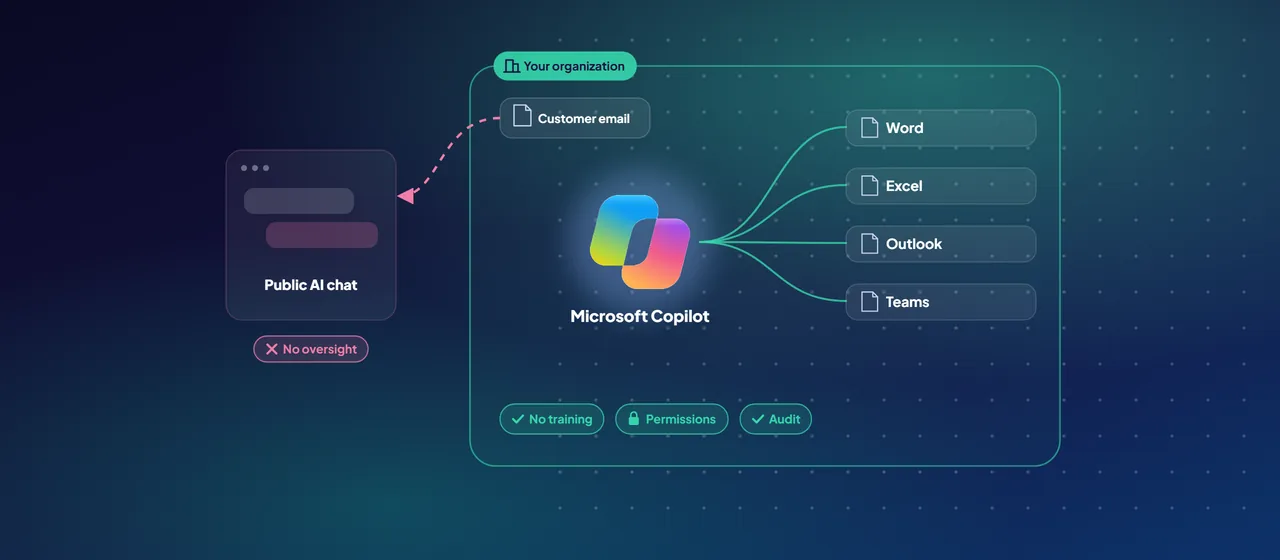
Why businesses choose Microsoft Copilot over public AI tools
How Microsoft Copilot handles your data differently from public AI tools, and the practical steps to govern shadow AI while you roll it out.
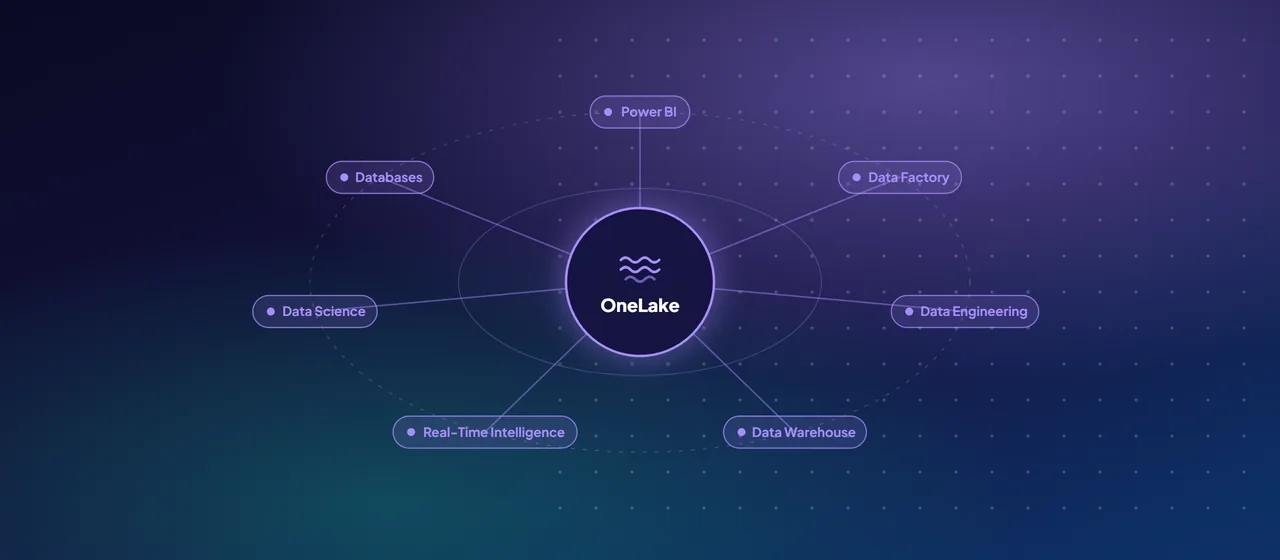
Why organizations are moving to Microsoft Fabric
What Microsoft Fabric changes for the business, how its capacity licensing works, and how to tell whether it fits your organization before you commit.
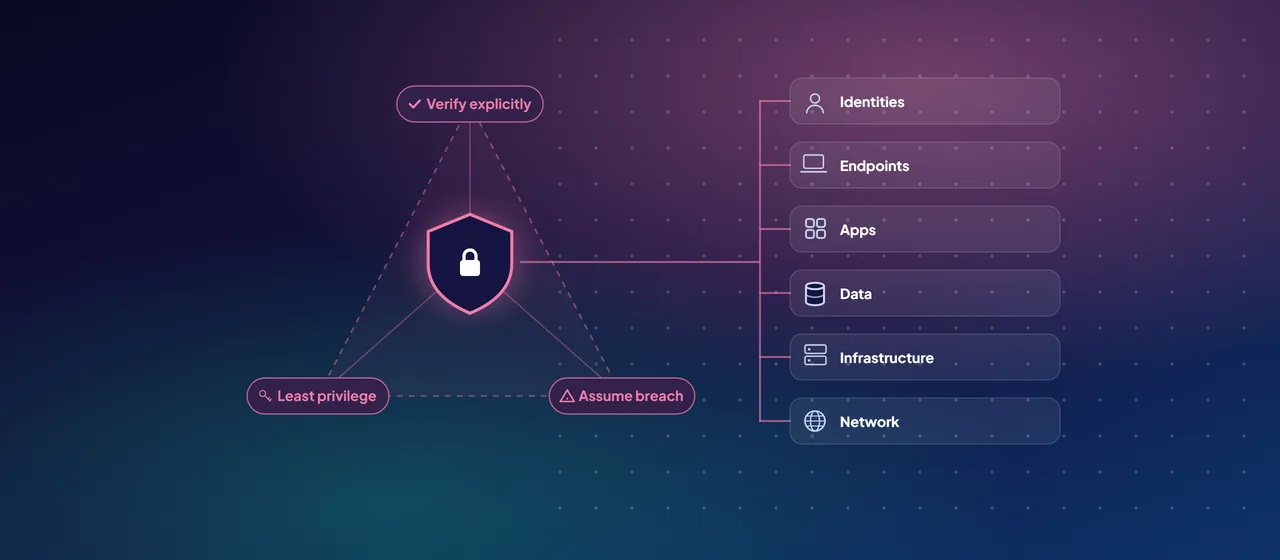
Implementing a Zero Trust Security Architecture for the Modern Enterprise
A practical guide to Zero Trust with Microsoft: the three principles, the six technology pillars, and an adoption sequence you can plan by quarter and track with real metrics.